A New Review

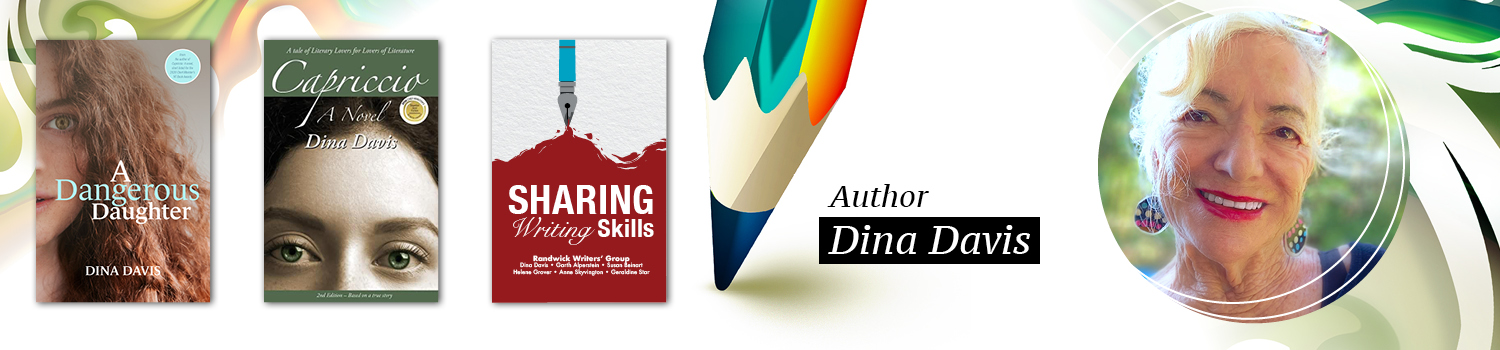
This latest review is a wonderful tribute to the book, A Dangerous Daughter. It is written by poet and reviewer Magdalena Ball, whose latest publication, “Bobish”, a verse novel about her great-grandmother’s struggles as an immigrant, is a brilliant work of narration through poetry. Her online Journal Compulsive Reader reviews books by some of the hottest writers working today, exclusive author interviews, literary news and criticism. Compulsive Reader A Review of A Dangerous Daughter June 1, 2023 Reviewed by Magdalena Ball A Dangerous DaughterBy Dina DavisCilento PublishingMay 2021, Paperback, 274 pages, ISBN-13: 978-0645175813 According to a recent Deloitte study, over 70 million people today have an eating disorder. There are almost certainly millions more who are restricting their food intake in some way. So embedded is the idea of ‘thinness’ as beauty in our culture that from early childhood women are conditioned to think of the human body’s natural appetite—not just for food but for space, power, and desire in general—as gross and inappropriate.  Jewish traditions are often built around meals that reference persecution – such as the seder where foods are eaten to call to mind hardships. A Dangerous Daughter is fiction but it’s based on Dina Davis’ own experiences with anorexia that include many of the damaging mis-treatments that the protagonist of the book, Ivy, experiences.  Like many people, Ivy is encouraged to think of the abundance of food in her life as a privilege against the starvation that others continue […]


Read More →

Creativity and Mental Illness: Sigmund Freud and Sylvia Plath

I have long been interested in the connection between mental illness and creativity. My latest novel, A Dangerous Daughter, describes how psychoanalysis was used to cure a mental illness and to unlock the main character’s creativity. Some of our greatest artists, writers and musicians suffered some form of mental illness while producing brilliant and lasting works of art. Many of the 20th century’s great writers, including Samuel Taylor Coleridge, Robert Schumann,Virginia Woolf, Ernest Hemingway, F. Scott Fitzgerald and his wife Zelda Fitzgerald, and William Styron, suffered from mental illness.  In this article by Jahnavi Ravishankar “Sylvia Plath– A Caged Darkness of the Mind”, the writer extrapolates how Freud, the Father of Psychoanalysis, might have analysed the poet and author Sylvia Plath, who suffered what would now be called a bipolar condition, and made several suicide attempts before succeeding in 1963. In this abridged version, Ravishankar analyses Plath’s famous poem, ‘Daddy” in Freudian terms (see poem attached): .“Sylvia Plath, a renowned American poet, was clinically depressed for most of her life and eventually became a victim of suicide at the age of Bnb thirty. The “Ariel” poems, including ‘I am Vertical and ‘Daddy’, were written shortly before she died. and posthumously garnered acclaim. These poems painted a vivid image of her inner psyche. Sigmund Freud’s position that the artist is a successful neurotic has been contested but, at the same time, has served as a key focal point for several psychoanalytic theories in literature. In his essay, ‘Creative Writers and Daydreaming’, he states, “The […]

Read More →

This Writing Life

Lately I’ve been reworking my novel, A Dangerous Daughter – hence you haven’t heard from me for quite a while. It’s a never-ending, always changing process of trial and error, good days and bad. Starting a new draft requires courage, determination and a belief that you can do this thing, killing your darlings as you go, silencing your inner critic […]

Read More →

Can we separate Art from Life?

‘To value a piece of work does not require us to applaud its creator.” (Ashleigh Wilson, On Artists, MUP, 2019) Or does it? Do we have to love the artist to love the work? Think of Pablo Picasso, Roman Polanski, Woody Allen. All can be judged as having questionable morals. If, like me, you’ve always enjoyed movies such as Allen’s […]

Read More →

Writing by the Rules (Or Not)

Is it only our greatest writers who are allowed to break the rules of writing? And what exactly are these rules? Mantras such as ‘Show not Tell’ ‘Point of View’ ‘Omniscient Narrator’ or ‘Close Third Person’ seem to abound in 21st century writing guides. I doubt whether the great Virginia Woolf, George Eliot, Jane Austen, or Ernest Hemingway had ever heard […]

Read More →

CREATIVITY

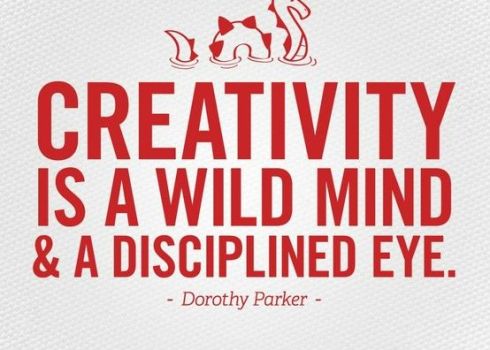
As most who practice the creative arts know, creativity comes from a place deep within the soul. To reach that place, we need to make space in our lives, and in our minds. As a writer, I can immediately relate to this concept, knowing that I have to make space, both physical and mental, before being able to access the […]

Read More →

Ten Tips for a Writers’ Group

These tips from a New York based writer could equally apply to my Randwick Writers’ Group. Reblogged from Lee Kofman at leekofman.com.au Guest post by Tracy Sayre Over the years I’ve learned a lot about what works and doesn’t work in writers’ groups. Here’s a list of my top ten tips. 1.Find the group. Facebook is a great place to start. Post a message that you want to begin a writers’ group and you’ll be amazed by how many of your friends harbor a desire to write. Alternatively, you can contact bookstores, colleges, and libraries to ask if they know of a group you can join. There are also websites like Meetup.com that have information on local writers’ groups. 2.Keep it small. I think the best size for a group is 4 people. If it’s smaller, you won’t get varied feedback, if it’s larger, you spend too much time reading other people’s work. I’ve also found with larger groups people tend to cancel last minute because they don’t feel like their attendance matters that much. 3.Plan ahead. One of the worst things you can do is leave the schedule vague. We all dread that never-ending email chain where everyone’s rescheduling. From the beginning, decide when you’re going to meet, for instance every other Tuesday at 7 pm, and stick to it. youa 4.Set the format. Determine if you want to read the pieces out loud at the meeting, or if everyone […]

Read More →